THE RAISE OF INA in South East Asia
In 1941, despite strict surveillance, with the help of the Italian embassy, Bose travelled under unknown name, reached Germany via Moscow. Bose stayed in Berlin for almost two years, trying to get the German, Italians and Japanese to publicly declare their support for Indian Independence. There he recruited Indian prisoners-of-war in Europe and north Africa to form the Indian Legion (Azad Hind Fauj or Free India Army) to fight for India’s freedom. Inspired by his leadership, his followers in Berlin honoured him with the name Bose Netaji, acknowledging his stature as a leader.
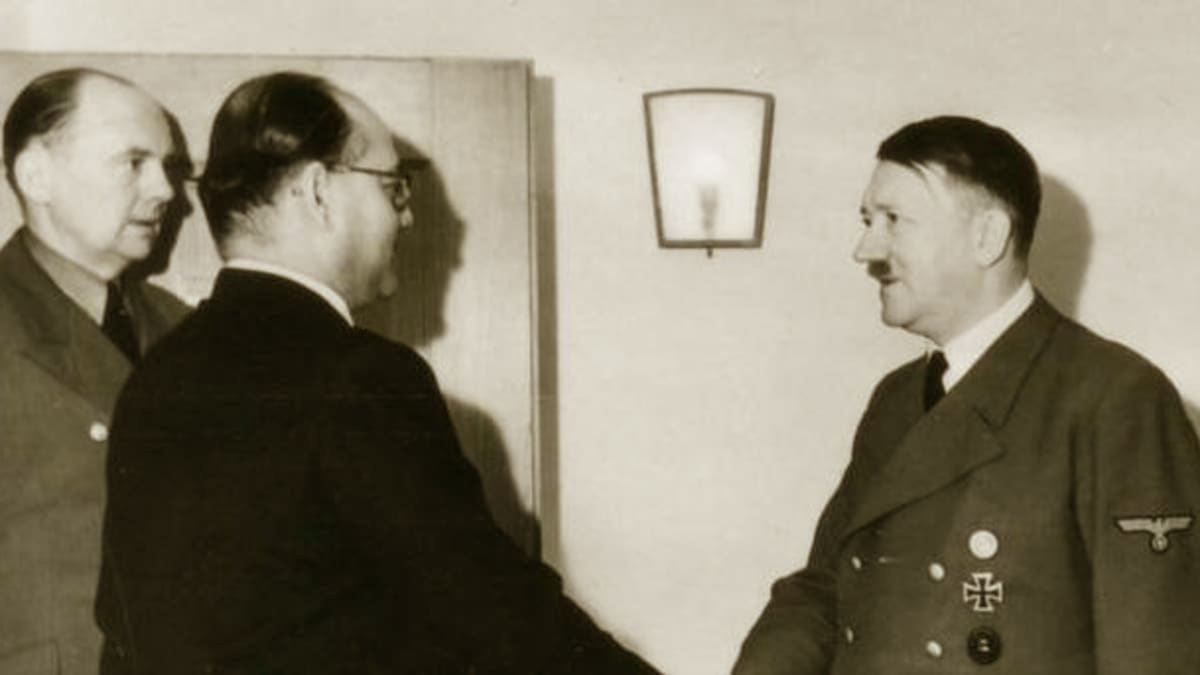
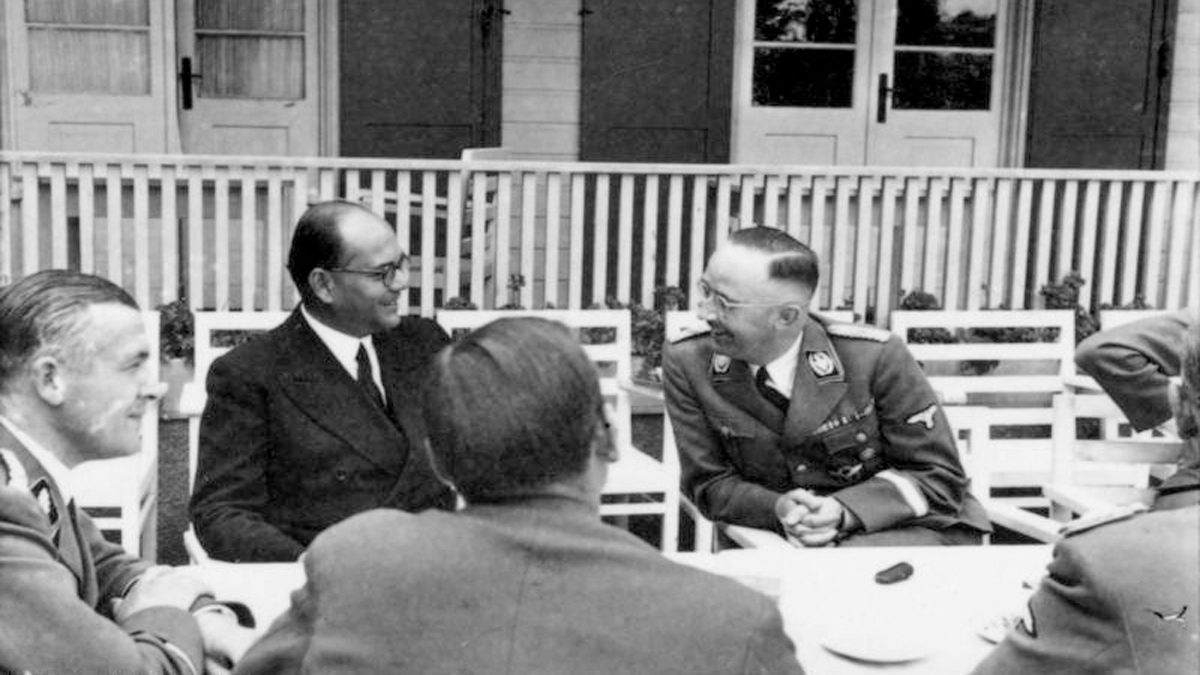
When British Singapore fell to the Japanese in 1942, Bose made his first open broadcast to India saying, “This is Subhash Chandra Bose speaking to you over the Azad Hind Radio”…the fall of Singapore means the collapse of British Empire and the dawn of a new era in Indian history. Bose made moves to return to Asia and take some concrete action there as he felt, Japanese were far more supportive of India’s cause than the Germans. On Feb 9, 1943 Bose and his close aide, Abid Hasan, boarded a German submarine to travel to Japan. After many weeks, on April 28, 1943 they arrived in Madagascar. From there they jumped into Japanese submarine sent specially for them.
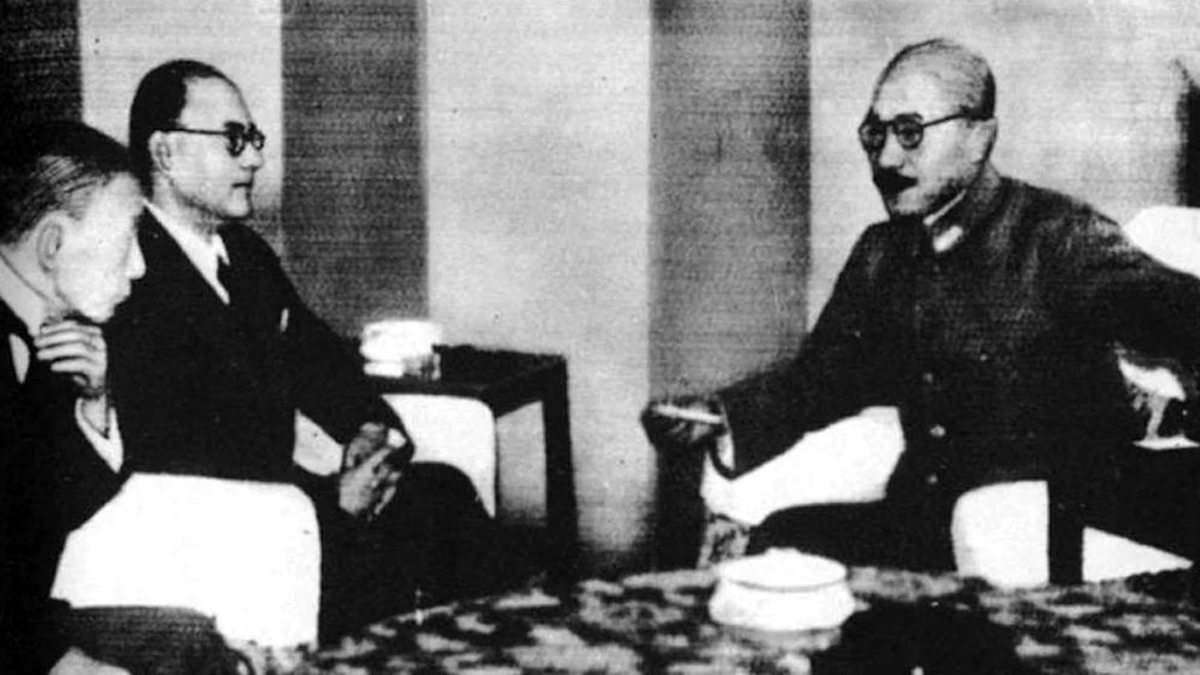
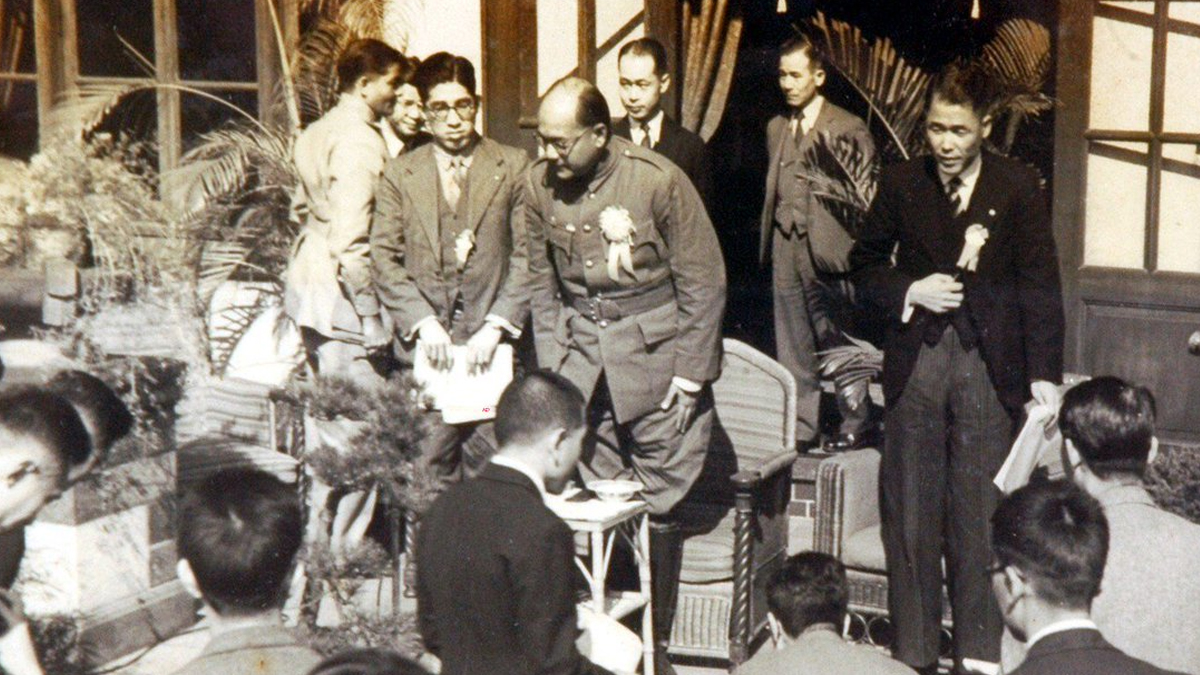
Bose arrived in Singapore on 2 July 1943 at the invitation of revolutionary freedom fighter Rash Bihari Bose. He was appointed President of the Indian Independence League and took over from Rash Bihari Bose as leader of the Indian Independence League in East Asia. On 21 October 1943, Subhas Chandra Bose proclaimed the formation of the Provisional Government of Free India at Cathay Cinema Hall. Two days later, he declared war on Britain and the United States. With help from the Japanese, he re-organised and rejuvenated the Azad Hind Fauj (also called the Indian National Army). He lobbied aggressively for funds in Malaya and other parts of Southeast Asia and launched a recruitment drive for the Azad Hind Fauj.
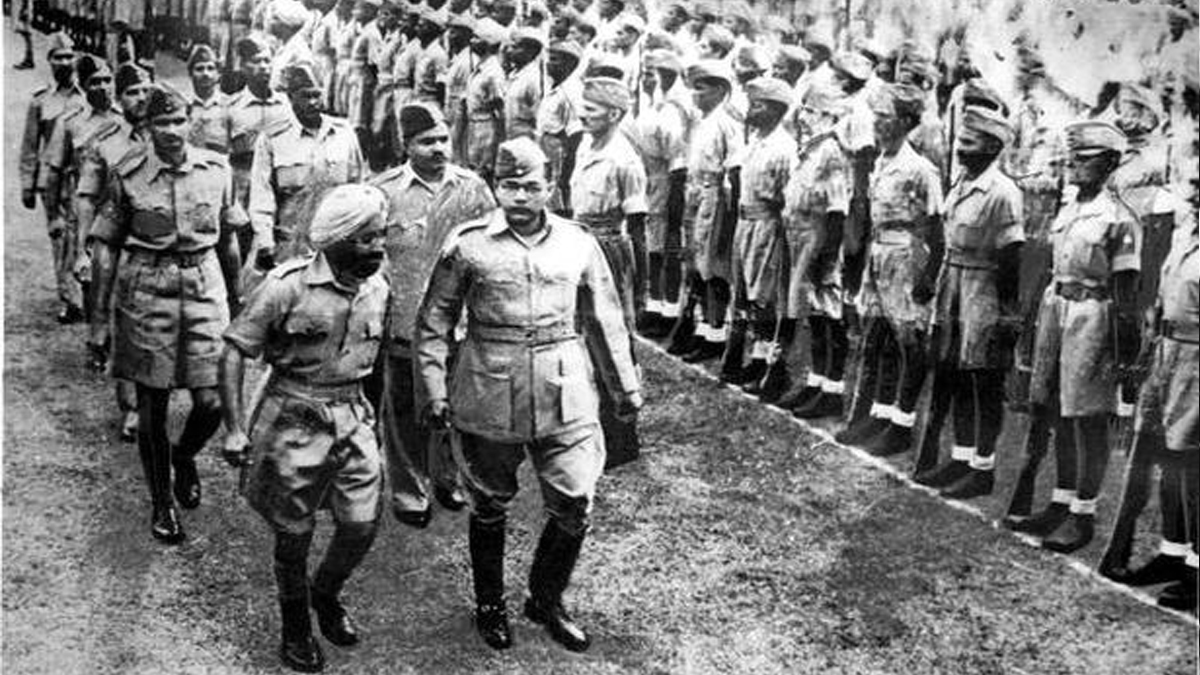
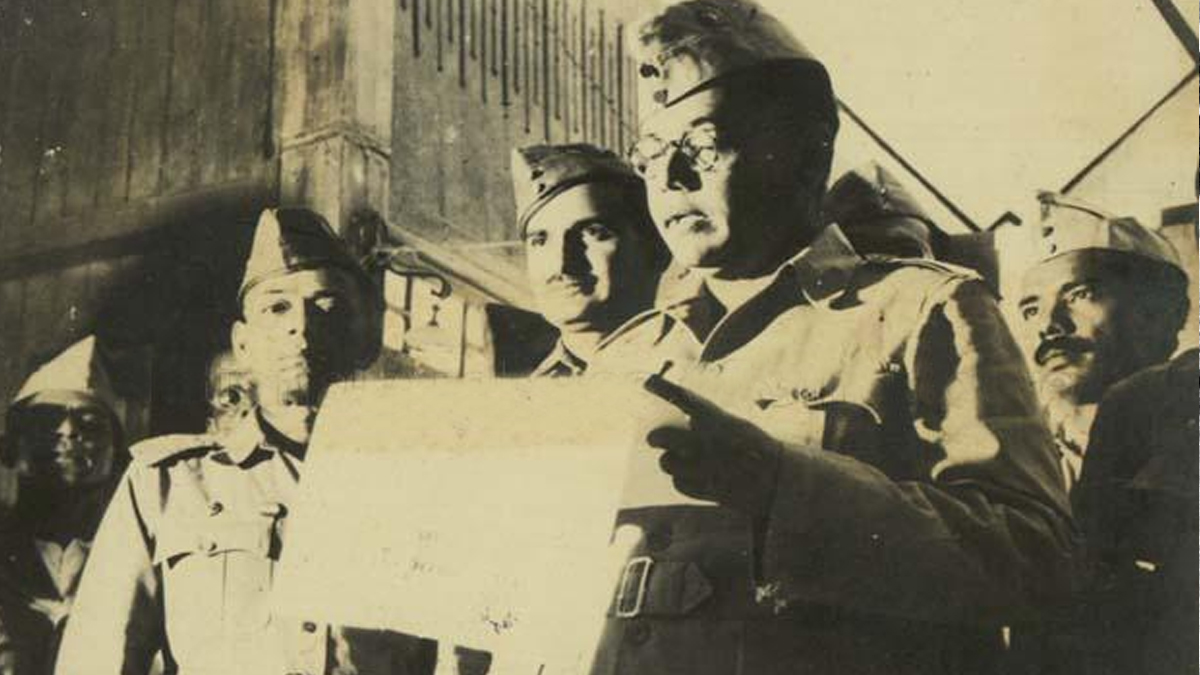
Tapping into the widespread discontent of Indian army personnel in Malaya, especially over the way British officers had abandoned them during their retreat from Singapore, Bose was able to recruit many British Indian troops to the Azad Hind Fauj. On 14 April 1944, he led the Azad Hind Fauj on an offensive against the British in India. Crossing the Burmese border, he planted the Indian National tri-colour flag at Moirang, Manipur. It was a symbol of claiming Indian soil from the British. However, the offensive failed to take Kohima and Imphal and the troops retreated to Burma.
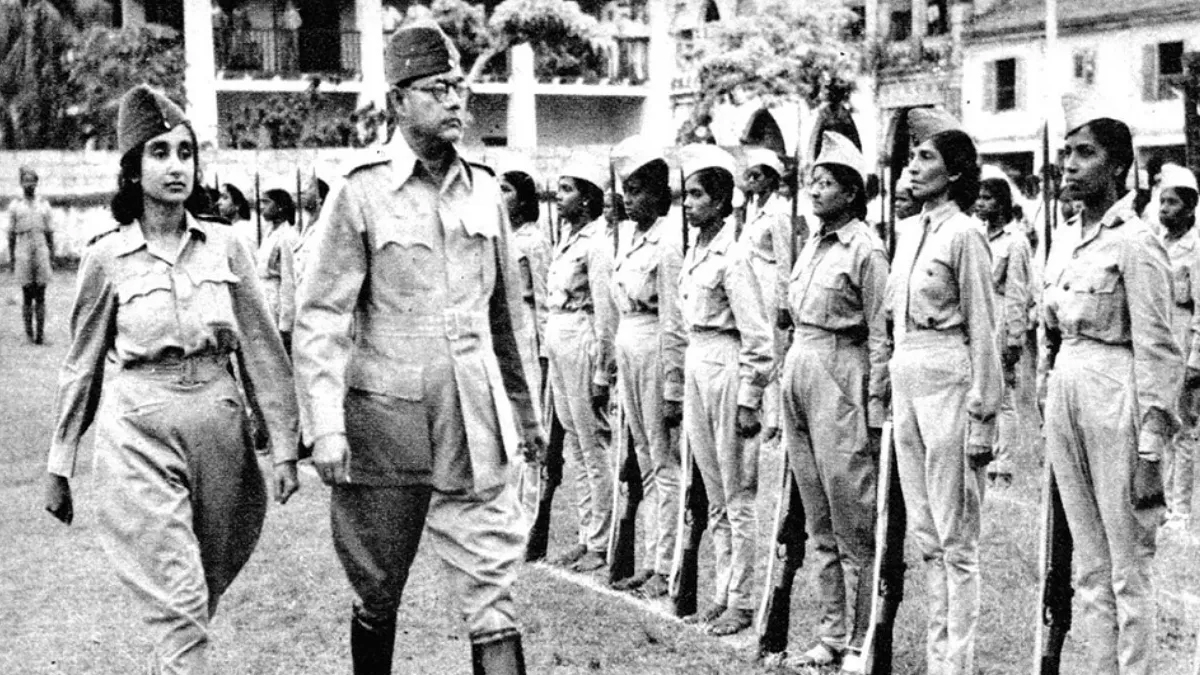
Capt Lakshmi Sehgal, was Not Only Led India’s First All-Women Regiment (Rani of Jhansi Regiment) but was also A Doctor, Social Activist & More.
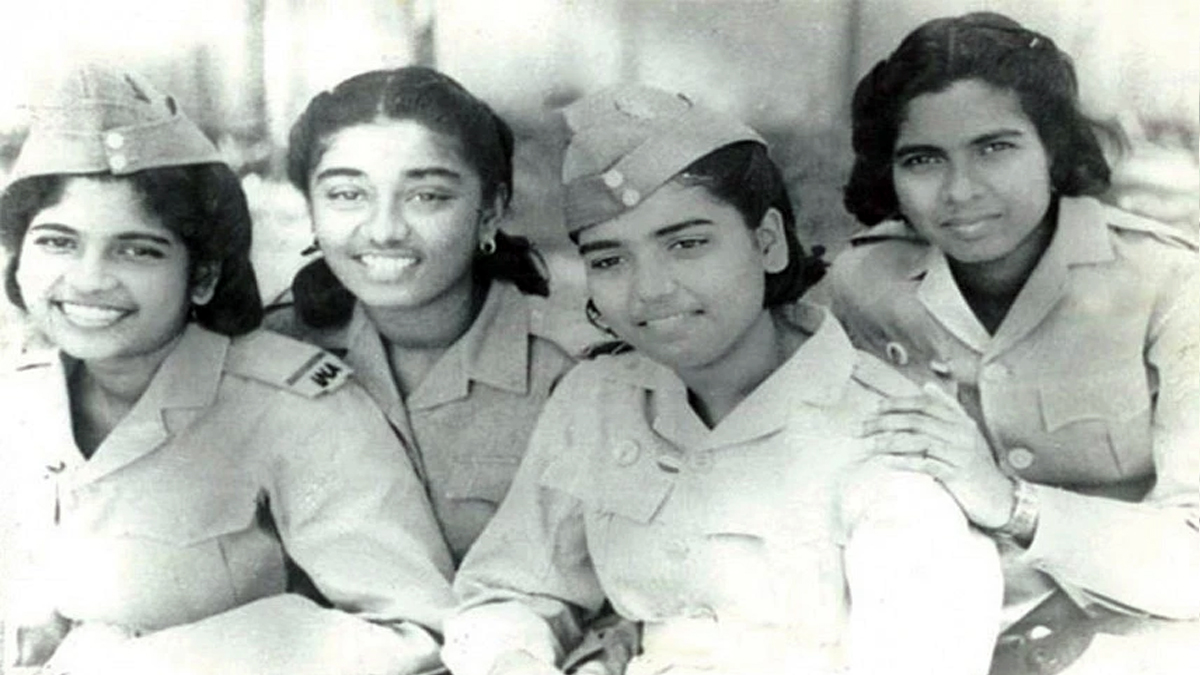
Janaki Thevar, Second from left. The 18-Year Old Who Commanded Burma’s ‘Rani of Jhansi’ Regiment
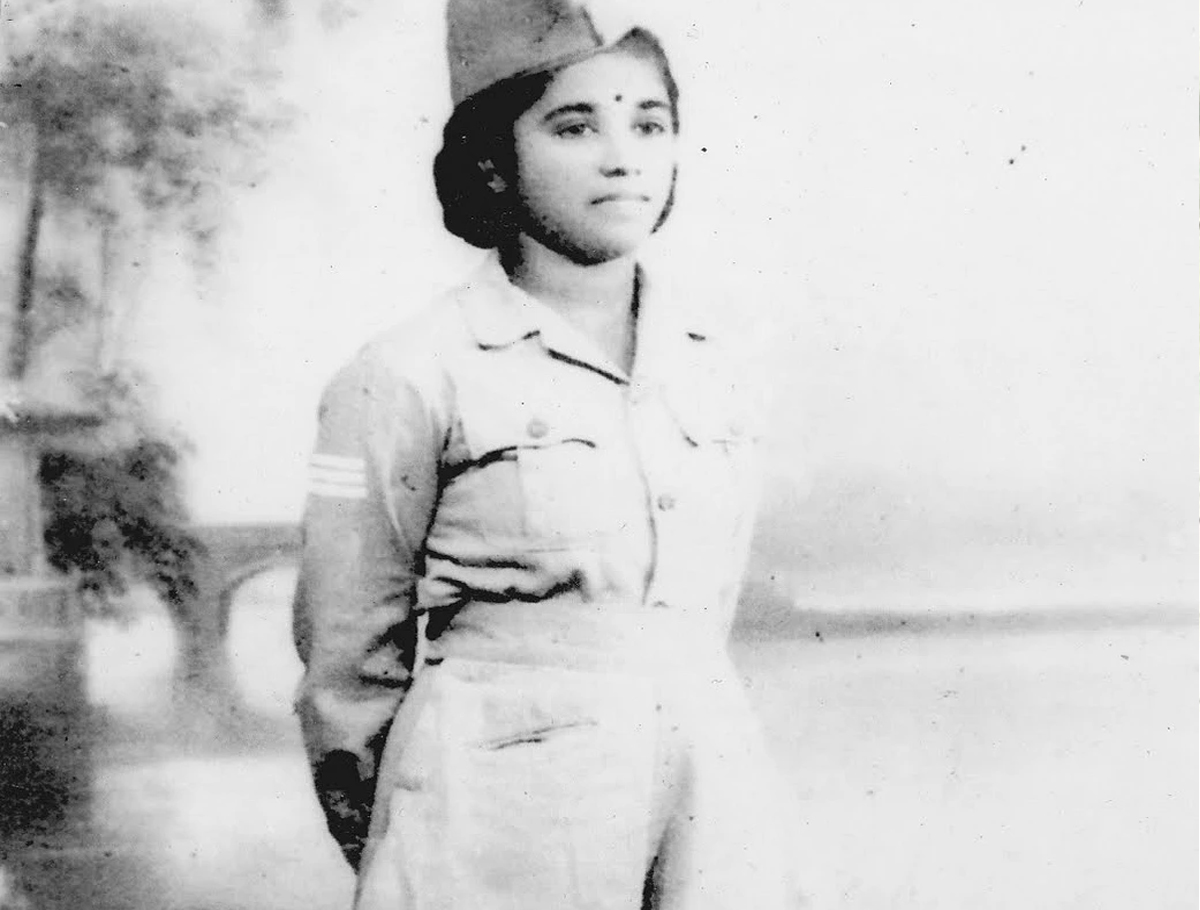
Puan Sri Datin Janaky Devar (25 February 1925 – 9 May 2014), better known as Janaky Athi Nahappan
Quotes of Subash Chandra Bose are as inspiriting as his life-story.
1. Reality is, after all, too big for our frail understanding to fully comprehend. Nevertheless, we have to build our life on the theory which contains the maximum truth.
2. One individual may die for an idea, but that idea will, after his death, incarnate itself in a thousand lives.
3. Remember that the greatest crime is to compromise with injustice and wrong. Remember the eternal law; you must give if you want to get.
4. Freedom is not given, it is taken.
5. No real change in history has ever been achieved by discussions.
6. The secret of pollical bargaining is to look stronger than what you really are.
7. For enslaved people, there can be no greater pride, no higher honour, than to be the first soldier in the army of liberation.
Legacy:
Why Netaji Subhas Chandra Bose can’t be appropriated by any party and what Indian can learn from him?
It is perhaps fitting that Netaji’s death remains a mystery. For no definitive death could have done justice to the life that he lived. That of the Impossible Man.
No matter how much one try, Netaji can never be boxed into an ideological corner. You have to settle for the fact that the truth is what it is, with all its complexities and ironies. Netaji is not just the most enigmatic figure in world history; his life is a tough lesson in how to think about history. He is also a lesson to the historians themselves.
Jai Hind !